
Septic Repair
Septic system repair for older rural systems around Bennington and the tri-state corner. We find why it backed up, then repair the tank, the line, or the field.
View Details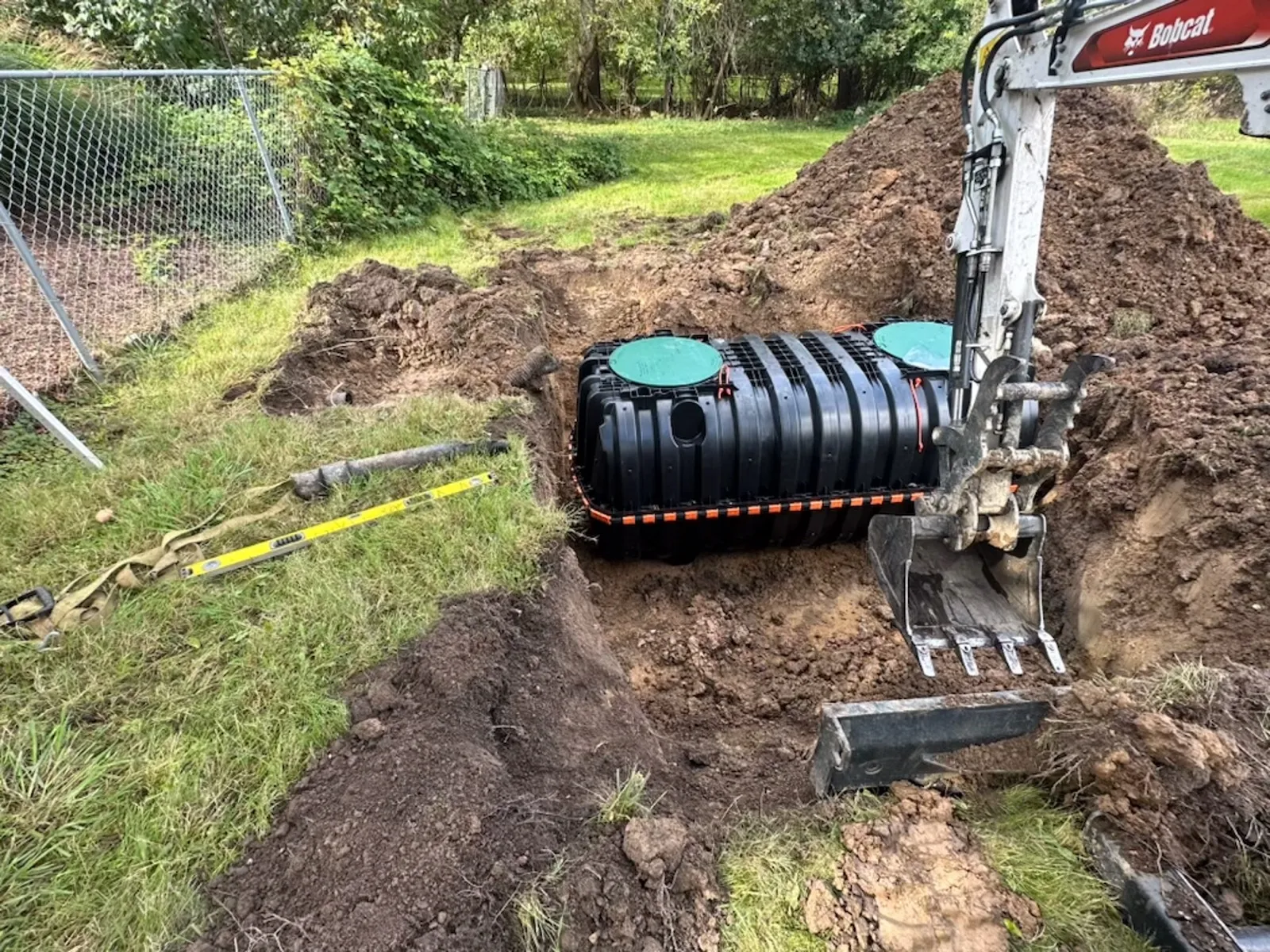
Septic system installation is dirt work with a paper trail, and we handle both ends. Most homes outside the village centers here sit on private septic, with no town sewer to tie into. We install new systems and full replacements around Pownal and Bennington. That reaches across southern Vermont, eastern New York and the northern Berkshires. Estimates come from the same shop that does the digging. A new system is one of the bigger spends a rural homeowner faces. You should know what goes in the ground before the first bucket comes out.
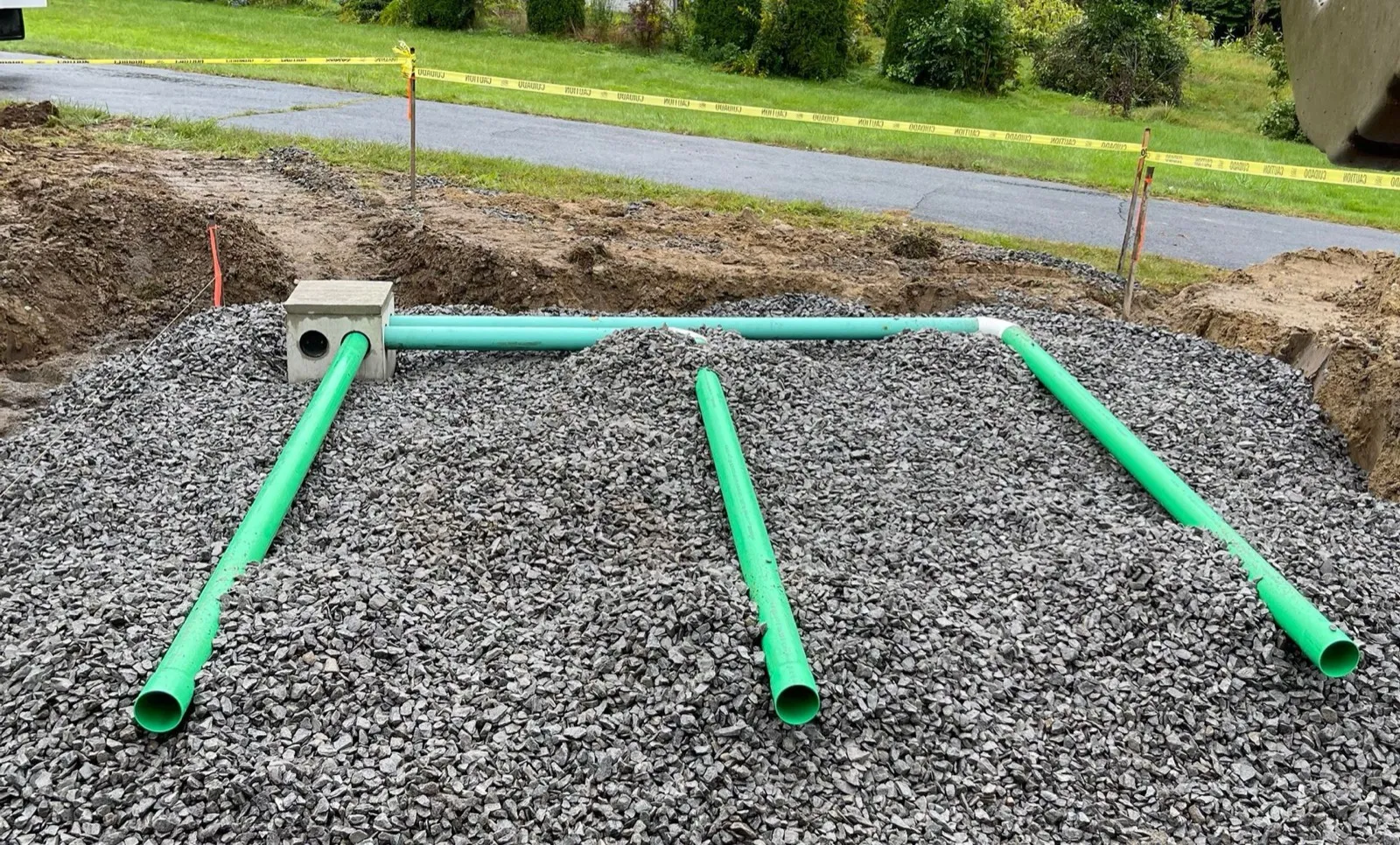
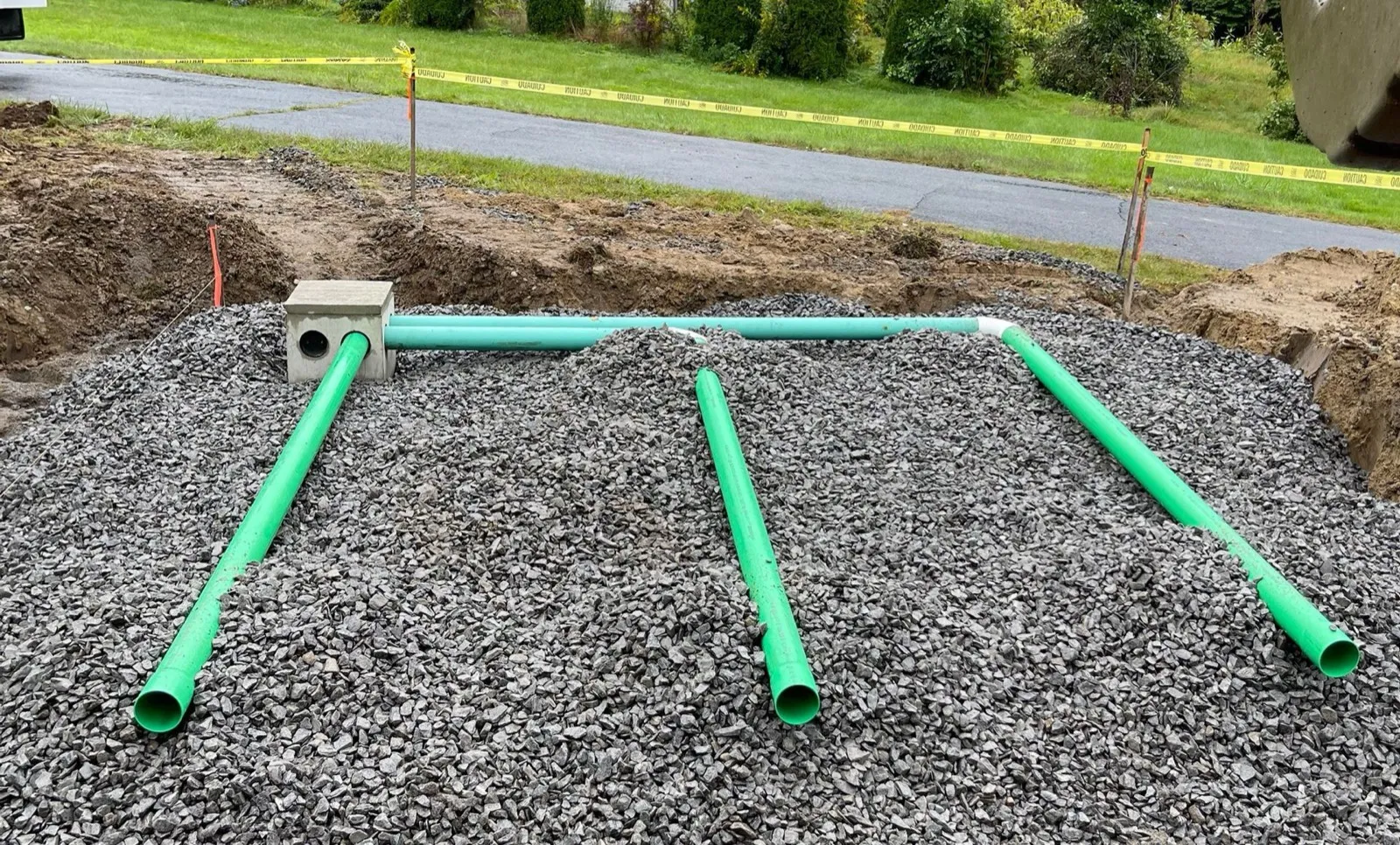
Every system starts in the soil. A licensed designer digs test pits on your lot and reads the soil profile. Those pits show the depth to ledge and the seasonal high water table. That reading sets the size and type of your drain field, which some people call a leach field. We build what the design calls for. Tank set and leveled, distribution box and pipe laid at grade, stone and sand placed to spec. Then backfill, final grade and seed. Ledge is common on these hillsides, so we plan the dig around the rock we expect to hit.
Tell us about your project and we will get right back to you.
In Vermont, a new or replacement system needs a Wastewater System and Potable Water Supply Permit from the state. The Department of Environmental Conservation issues it through its regional offices. A licensed designer has to draw the system, and a homeowner cannot design one alone. The designer digs test pits, logs the soil, and sizes the tank and drain field to match. That design goes on the permit. Our job starts when the permit comes back approved. We build the system the designer drew, at the depths and setbacks the permit lists.
The permit is not finished when the last pipe is covered. Vermont wants an installation certification signed by the designer or the installer. It goes to the regional office that issued the permit. Key parts get looked at during the dig and again at the end. We schedule those looks so nobody waits over an open trench. Across the line, the rules change but the shape is the same. New York county health departments permit systems under Appendix 75-A. Massachusetts towns permit under Title 5 through the local board of health.
Frost and mud drive the calendar here. From late March into May the ground softens and heavy machines rut a yard badly. Deep frost in January and February makes the digging slow and the backfill lumpy. Late spring through fall is the working season for septic system installation in this corner. Fall is often the best window. The ground is dry, the water table sits low, and September seed still takes hold before winter. A system that quits in February needs a plan that holds you over until the ground opens.
Plan on the permit taking longer than the dig. The designer needs dry enough ground to open test pits, and the state review takes weeks. A simple residential system is usually a few days of machine time once we start. The paper in front of it is what stretches a project into months. Call us early and we will help you line up a licensed designer. Getting the soil work done in one season lets you dig in the next. Then you pick the time of year that suits your lot.
On a new build, the septic system gets planned alongside the house. The designer sets the drain field location first, because the soil decides where it can go. The driveway, the well, the house and the yard get placed around it. We like to be in that conversation with your builder early. Moving a drain field on paper costs nothing. Moving one after a foundation is poured costs real money. For new construction septic on a raw lot, we also cut the access road for drill rigs and concrete trucks.
Septic replacement is a different job from a new build. There is a house, a lawn, a driveway and a working water line already in the way. Sometimes the new drain field fits in the old footprint. Often it does not, and the designer finds a new spot on the lot. We plan the machine route to limit what gets torn up. The yard goes back together once the pipe is covered. If your current system is backing up and you want it looked at first, our septic repair page covers that.
Free, no-obligation estimates across the VT · NY · MA tri-state corner.
(802) 681-6842From the first look at the site to the last pass of finish grade, here is exactly how it goes.
We come out and read the ground: the slope, the water, the access, and whether ledge is likely. What you want done, what is worth doing, and what the job really takes. Nothing gets quoted blind over the phone.
You get a free estimate with a real number and a real window. It covers what is included, and it holds unless the ground changes the scope. If rock shows up mid dig, you hear about it that day.
The machine shows up when we said it would, and the person running it is the person you talked to. The work follows the plan: the permit design on a septic job, the grade plan on a pad, the pitch on a drain.
Backfill goes in compacted, grades pitch away from the house, and topsoil comes back where it belongs. We look at the finished work with you, and done means you say it is done.
Common questions about septic installation across the VT · NY · MA tri-state corner. Yours not here? Call and ask us directly.
Septic system repair for older rural systems around Bennington and the tri-state corner. We find why it backed up, then repair the tank, the line, or the field.
View Details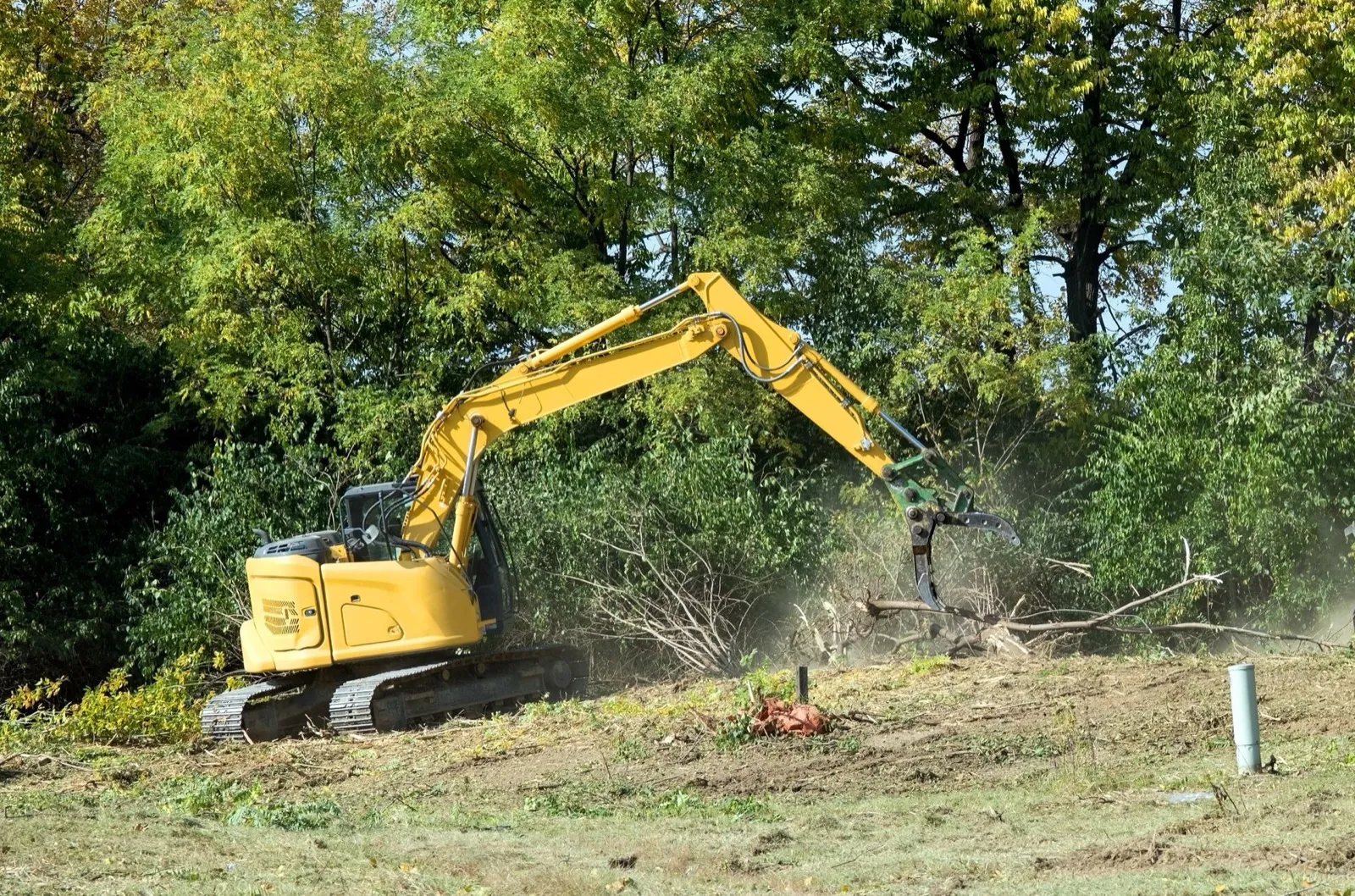
We clear overgrown lots and acreage so the land can be used again. Brush, saplings, stumps, and old fence line come out. What is left is ready for a build site or pasture.
View Details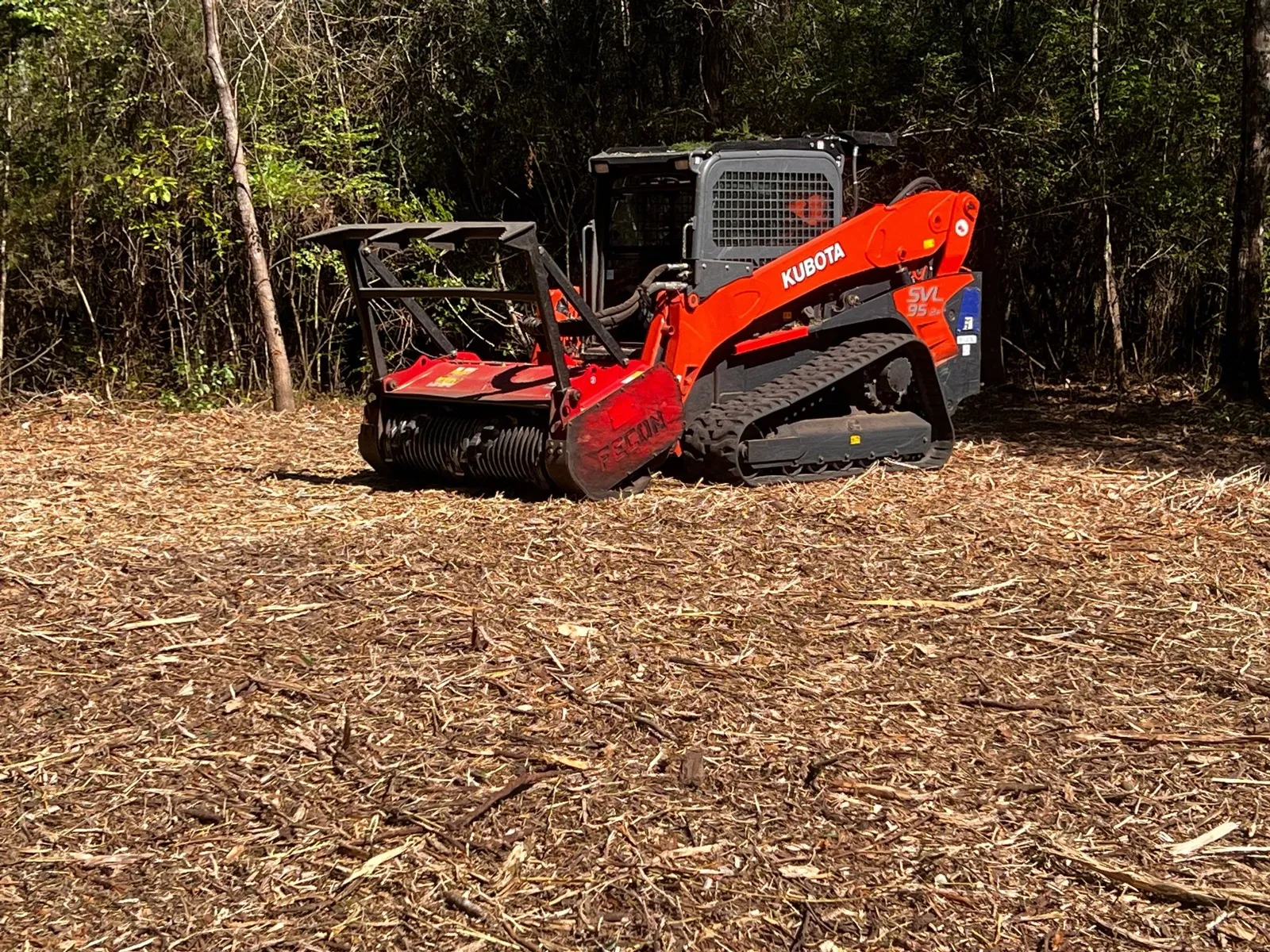
Forestry mulching grinds standing brush and small trees into a layer of mulch. One machine does the cutting and the cleanup. The ground stays covered and the wood stays on your land.
View Details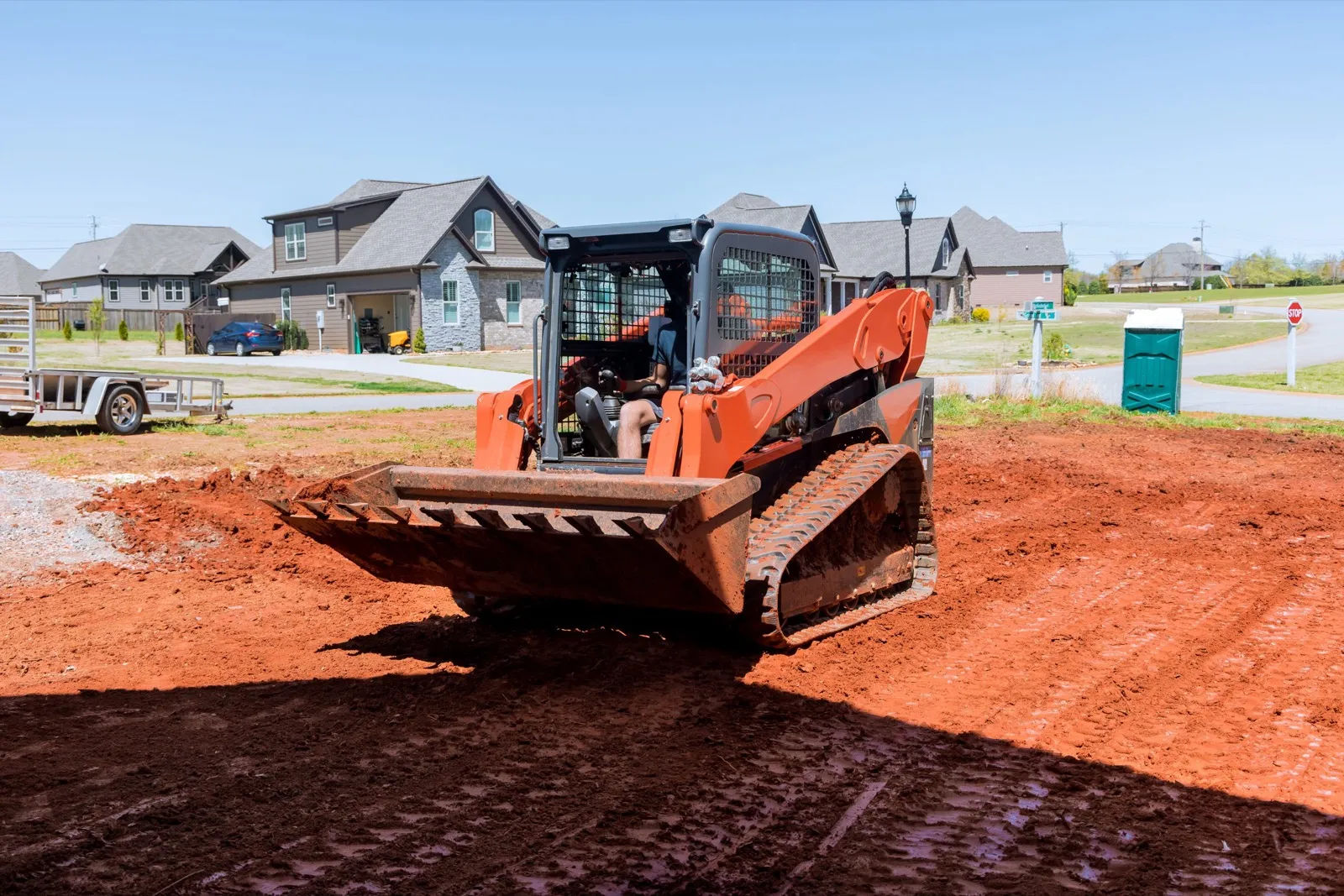
We handle grading and site preparation across the tri-state corner. That means building pads, foundation digs, driveway subgrade, and regrading a yard so water runs away from the house.
View Details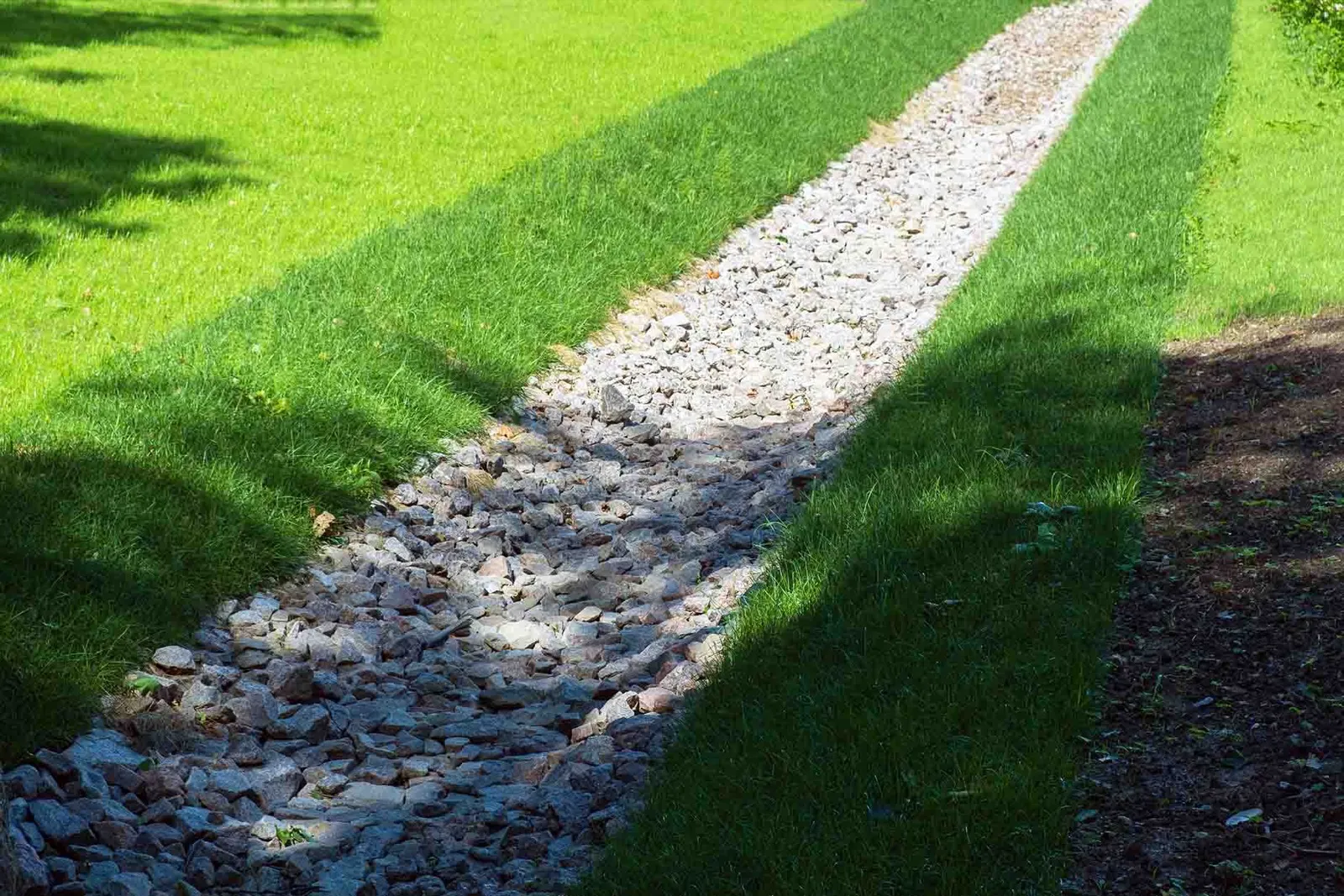
French drains, curtain drains, yard drains and culverts that move snowmelt and storm runoff away from the house. We dig below frost depth and pitch every line so it keeps working.
View Details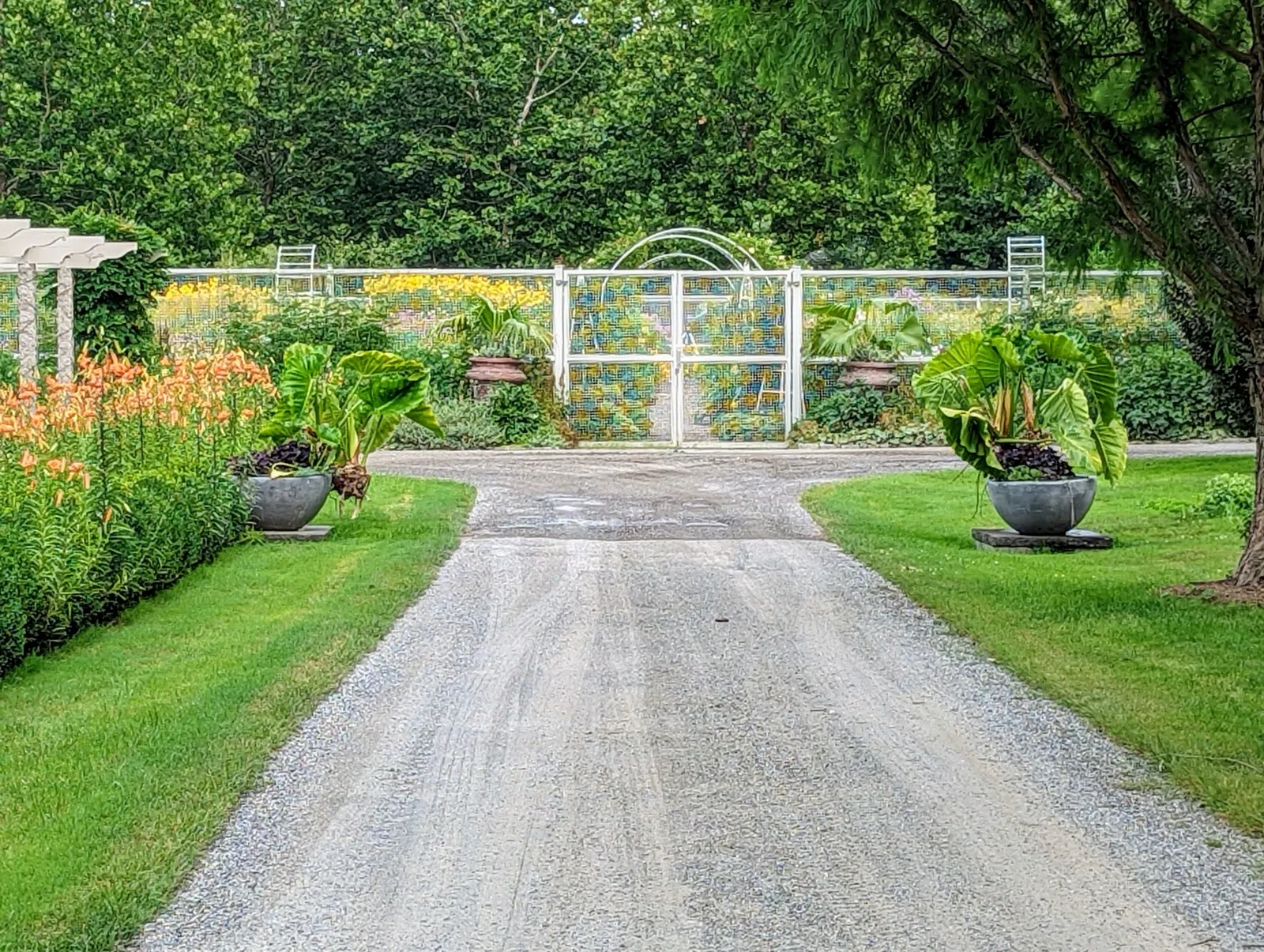
New gravel driveways, regrading and repair around Pownal and Bennington. Proper subgrade, base and top course, a real crown, and culverts set so water leaves the drive.
View DetailsOne company handles your job from the first call to the finished grade. The estimate, the schedule and the digging all come from the same shop, so you always know who to call.
Clearing, the septic system, the pad, the drainage and the driveway can run as one job with one schedule. For timber frames and pools, longtime partner builders join the same plan.
Every estimate comes from looking at the actual ground. Ledge, slope, water and access set the real cost of dirt work here, so we look first and the number holds.
Ledge near the surface, frost four feet down, mud season every April. Work here has to be planned for what the ground does in March, and ours is.
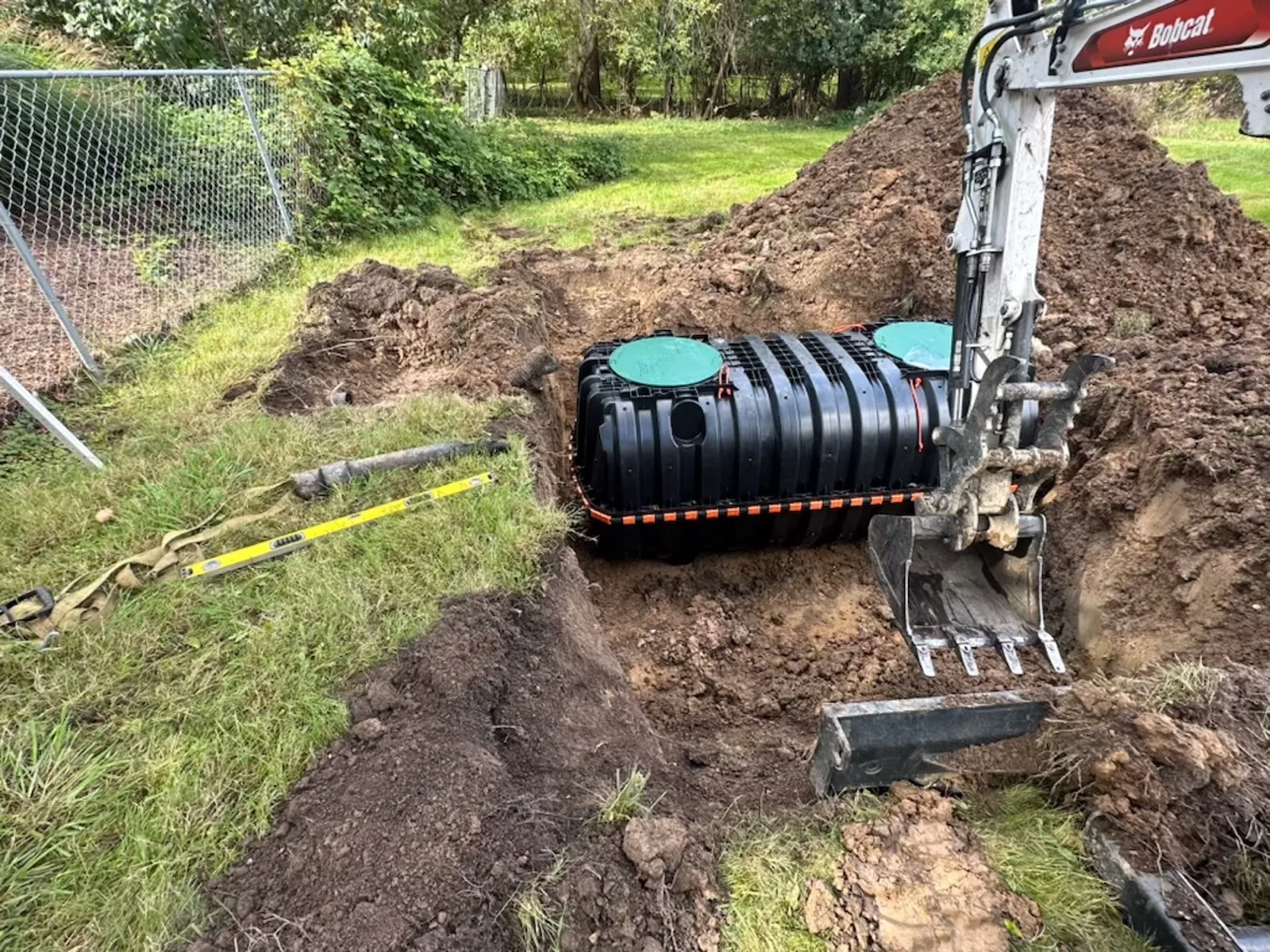
Septic installation timelines: 3 to 7 days of machine work inside a 3 to 8 week project, what ledge and mound systems add, and how Vermont permitting shapes the calendar.
Read more →What a septic system costs in Vermont: national install ranges, the real $306.25 state permit fee, and why ledge and wet ground push lots into mound systems.
Read more →Vermont septic permits explained: when the state Wastewater Permit is required, the $306.25 fee, licensed designer classes, minor-repair exemptions, and failed systems.
Read more →The warning signs of septic failure: slow drains, backups, wet ground and green stripes over the field, what causes them, and when repair still beats replacement.
Read more →A septic system that needs to go in, a lot to clear, a wet yard, or a driveway that will not survive another spring? Call or send the form. We look at the site with you and price the job from what is actually in the ground.
Tell us about your project and we will get right back to you.